
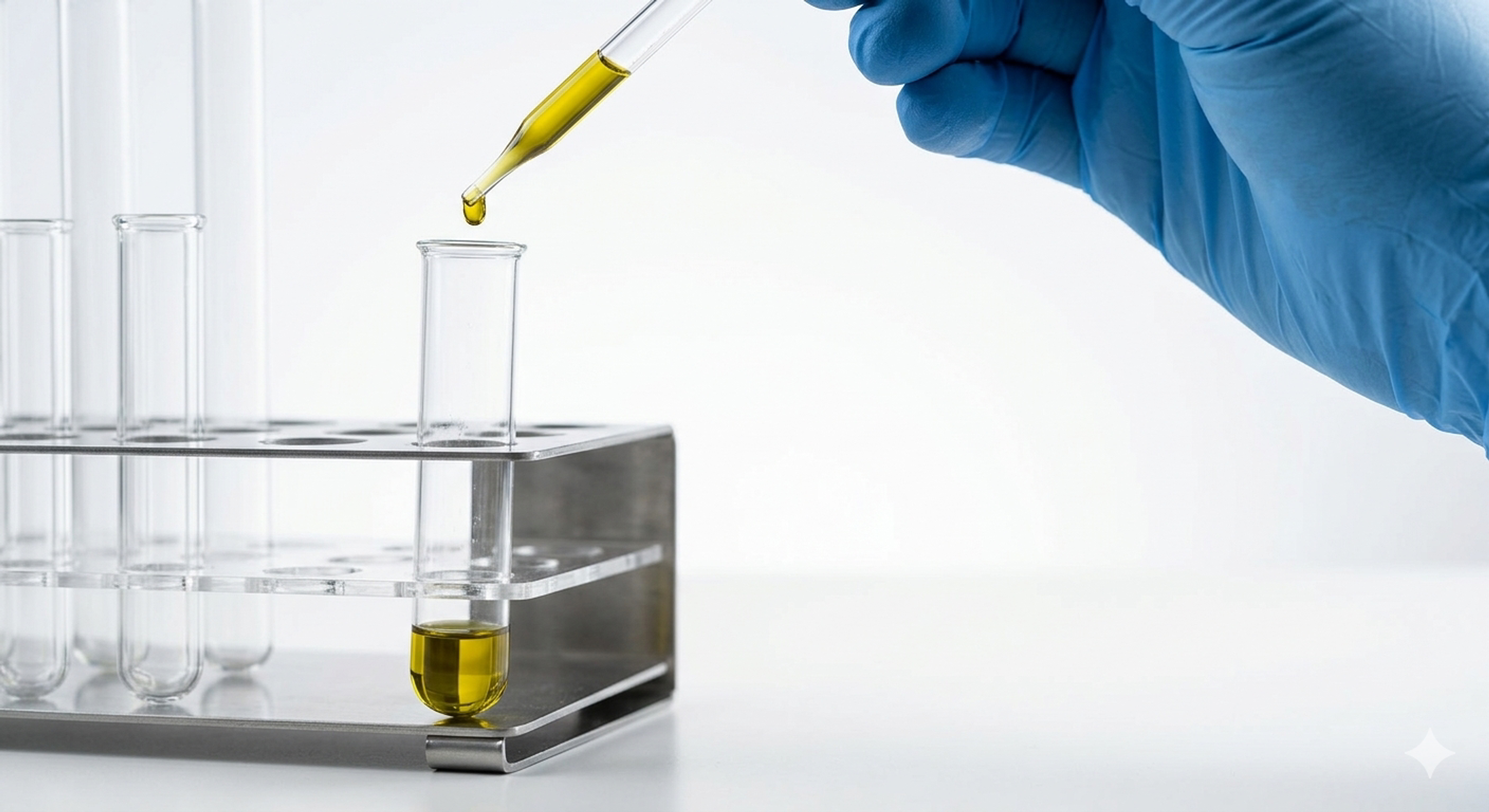
NMR vs HPLC: Which Polyphenol Testing Method Should You Trust?
23 March 2026

When you're buying a high polyphenol olive oil, the number on the certificate matters. But what if two different labs arrive at their polyphenol number using completely different testing methods? Can you trust both labs? Which method is better? Here's what you need to know about NMR and HPLC, and why the difference may matter to you as a consumer.
Why the testing method matters
The polyphenol count you see on an olive oil label or certificate, usually expressed in mg/Kg, is not always measured in the same way. Two producers can both claim their oil has been tested for polyphenol content, and both claims can be technically true, yet the methods used to arrive at those numbers are fundamentally different. Understanding this means you can look at a certificate of analysis and immediately understand a little more about whether that number can be trusted.
The two main testing methods you will encounter are HPLC (High-Performance Liquid Chromatography) and NMR (Nuclear Magnetic Resonance). Both are legitimate scientific methods, but they work very differently, carry different levels of regulatory recognition, and can sometimes produce different absolute values for the same oil. Let's break down each one.
HPLC
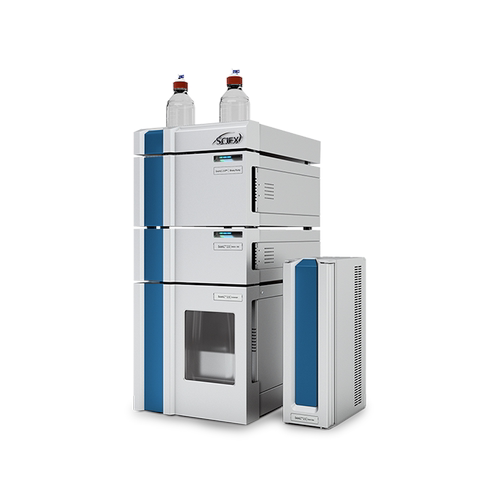
A HPLC system, courtesy of Danaher lifesciences.
In this method, a sample of the olive oil is dissolved in a solvent and then pushed through a column packed with material that separates the different compounds present. The individual polyphenols — oleocanthal, oleacein, oleuropein, hydroxytyrosol, tyrosol and others — emerge one by one at different times and are detected and quantified individually.
HPLC is currently the IOC (International Olive Council) approved method for polyphenol testing. This is important because the IOC sets the regulatory standards for olive oil globally.
HPLC is also valued for its specificity, it can tell you exactly how much of each individual polyphenol compound is present. This is useful because different polyphenols have different health profiles. Oleocanthal, for instance, is the compound associated with olive oil's anti-inflammatory properties Source, and oleacein is closely linked to vascular benefits Source. Knowing the breakdown of individual compounds gives you a more complete picture of what you're actually consuming.
With its IOC recognition and longer time serving the market, the HPLC testing method is viewed as the traditional, time-tested method.
NMR
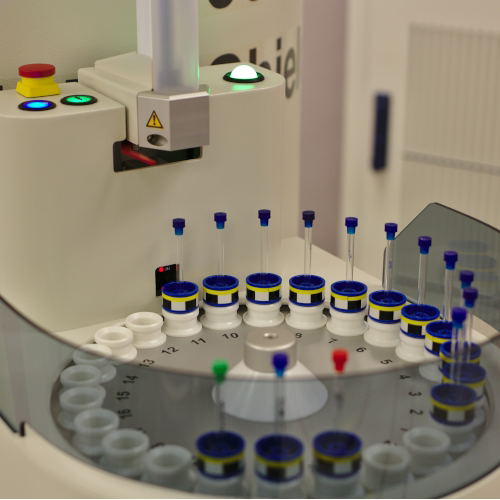
An NMR autosampler
NMR stands for Nuclear Magnetic Resonance spectroscopy. Rather than separating compounds through a column, NMR works by exposing the sample to a strong magnetic field. Different molecular structures in the oil resonate at different frequencies, generating a spectrum that can be used to identify and quantify the compounds present.
NMR is currently classified by the IOC as an experimental method, which is an important distinction. This does not mean it is unreliable, far from it. NMR is widely used and respected across analytical chemistry. What it means is that the IOC has acknowledged the method, but not yet formally adopted it as a standard, fully approved method for regulatory polyphenol reporting. That status may change in the future as the method is further validated in the context of olive oil specifically.
There is a general view among some producers that NMR tends to report slightly higher total polyphenol values than HPLC for the same oil. This is not because NMR is inflating figures dishonestly, it is because NMR casts a wider net and picks up compounds that HPLC does not always capture. Some producers dispute this however, and argue that as long as the equipment used in both the NMR and HPLC methods is properly calibrated - the results will be, for all intents and purposes, equivalent.
How should we view the differing methods?
This is part of the reason why on our EVOO Score system, we award more points to oils tested using the IOC approved HPLC method. An oil tested via HPLC earns 100 points, while one tested via NMR earns 50 points. Both methods are accepted, but there is a meaningful difference in regulatory status that we think is worth reflecting.
It is worth noting however, that quality producers make use of both methods. ONSURI for example opt for the HPLC method (click the underlined Certification to see the certificate), while Opus Oléa have more recently switched to the NMR method.
What should you look for on a certificate?
The most important thing is that a certificate exists at all. A producer willing to pay for third party lab analysis and publish the results is already operating at a higher level of transparency than the majority. Here are a few things to keep in mind when you're reading it:
Look for the testing method. Not all labs clearly mark a certificate will clearly state whether HPLC or NMR was used. This is why you can view EVOO Score breakdowns on each oil’s page in our website, there you will see which method was used and how many points were awarded based on that.
Check who issued the certificate. In terms of the NMR method, certificates from the World Olive Center for Health signed by Dr Magiatis Prokopios are among the most well-recognised in the industry. He was the first university lab to offer analysis of olive oil with the NMR method.
Check the harvest date matches. A certificate from a previous harvest year tells you nothing about the oil you are buying now. Polyphenol levels change season to season.
Conclusion
Both HPLC and NMR are legitimate scientific methods for measuring polyphenols in olive oil, and a producer using either is doing more than the vast majority who publish no test results at all.
HPLC is the current and time-tested IOC approved standard. NMR is a promising and fast-evolving method that the IOC is actively evaluating, but for now it has experimental status and some argue returns a higher total polyphenol figures for the same oil.
As always, the best producers are the ones being transparent. Whether they use HPLC or NMR, the fact that they are testing at all, publishing the results, and giving you the information to make an informed decision is what sets them apart from sub-par olive oil producers.
Browse our high polyphenol extra virgin olive oils
Browse EVOOs